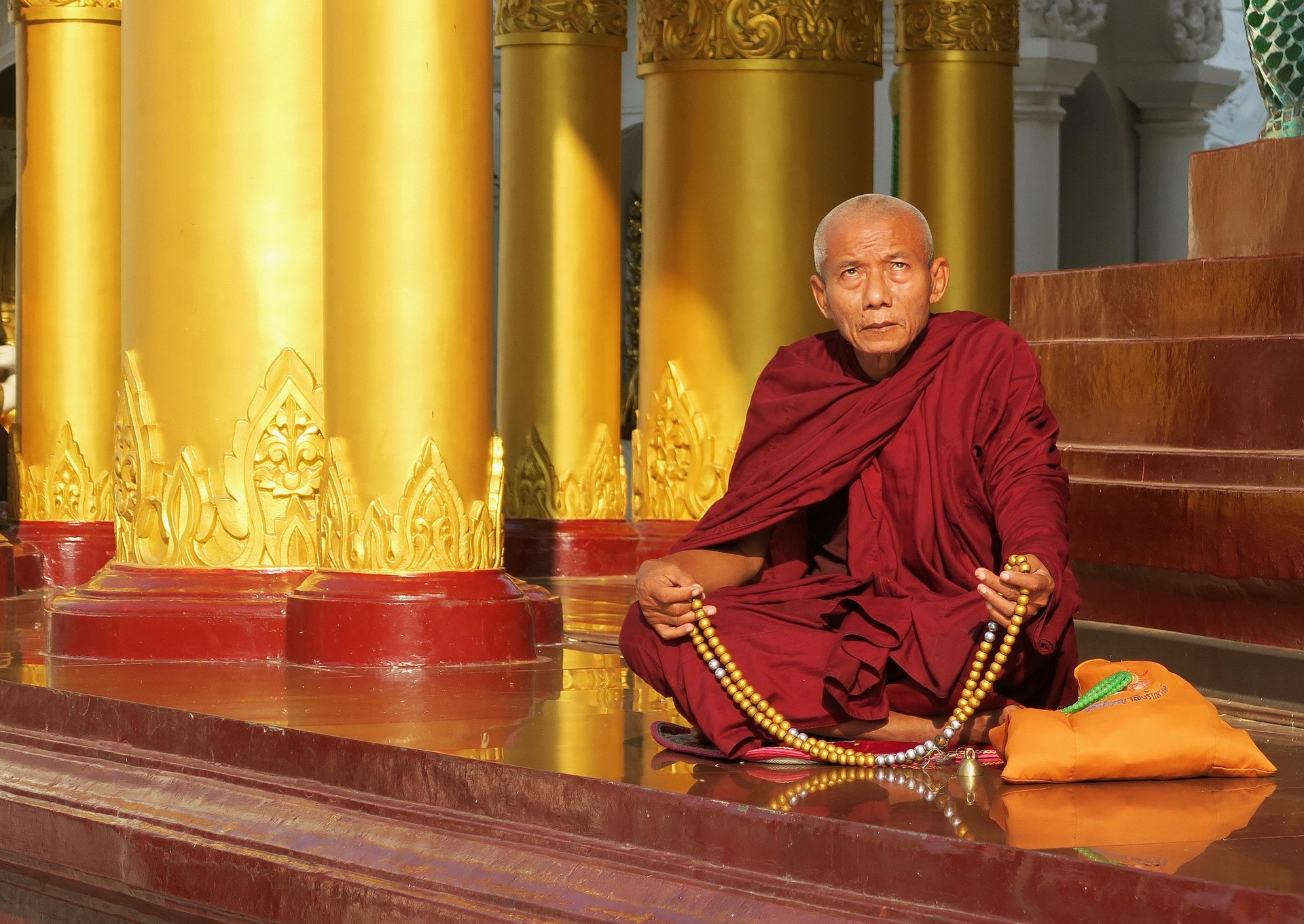
Image by Alistair McLellan
Visiting a Buddhist temple can be an enriching and eye-opening experience, especially for anyone passionate about exploring new cultures and practices. Whether you’re a solo female traveler or part of a group, understanding the nuances of temple etiquette can enhance your visit and ensure it aligns with the values of safety and respect. In this guide, we’ll discuss essential tips, cultural insights, and the best practices for visiting Buddhist temples, making your journey both fulfilling and respectful.
Understanding the Importance of Etiquette
Buddhist temples are sacred spaces that represent peace, tranquility, and spiritual growth. For women’s travel, these places provide opportunities not only for exploration but also for personal reflection. However, improper behavior can disrupt the serene environment and offend local customs, which is why respecting the temple’s rules and guidelines is paramount.
When visiting a Buddhist temple, keeping in mind the principles of safety and respect will enrich your experience, making it more meaningful and transformative.
Essential Tips for Visiting Buddhist Temples
- Dress Modestly: Opt for long skirts or loose-fitting pants and tops that cover your shoulders. Avoid revealing outfits and flashy jewelry.
- Take Off Your Shoes:
It’s customary in many Buddhist cultures to remove your shoes before entering a temple. This practice symbolizes respect for the sacred space. Look for designated areas to leave footwear, and be mindful not to step on thresholds, as they are often considered sacred. - Use Both Hands When Offering: Whether you’re placing an offering at a shrine or receiving something from a monk, always use both hands. This gesture of openness and sincerity shows your appreciation and respect for the Buddhist practices.
- Mind Your Behavior: Be mindful of your voice and actions while in the temple. Speaking softly, avoiding loud laughs, and refraining from physical displays of affection are crucial.
- The Head is Sacred: Never touch someone’s head, including children’s.
- Feet are Considered the Lowest Part of the Body: Never point your feet at statues, monks, or shrines — sit cross-legged or tuck your feet behind you when seated.
- Monks and Elders: When walking past monks or elders, a slight bow of respect is appreciated.
- Touching Monks: In some temples, women may not be allowed to touch monks — this is not personal, but a traditional practice.
- Offerings: If you make an offering, do so respectfully — use both hands to hand items to monks or place donations in the appropriate boxes.
- Photography: Many temples allow photos, but always check first. Look for signs at the entrance — some temples have designated “No Photography” zones, especially inside main shrines or during prayers.
– Never pose for photos with your back to a Buddha statue — this is seen as disrespectful.
Extra Tip For Men
- Dress Modestly: Wear long trousers and short or long-sleeved shirts. Avoid tank tops and shorts. Some temples will offer you a sarong or other garment to cover your legs but isn’t it better to come prepared.
General Travelers Tip
When in doubt, follow the locals. If you’re unsure how to enter, where to sit, or what to do — watch what others do and copy gently. Most temple communities are warm and understanding of respectful visitors.
By embracing the moment and respecting the cultural practices, your Buddhist temple visits will become much more than a checklist item; they’ll evolve into meaningful experiences that engage your mind, body, and spirit.