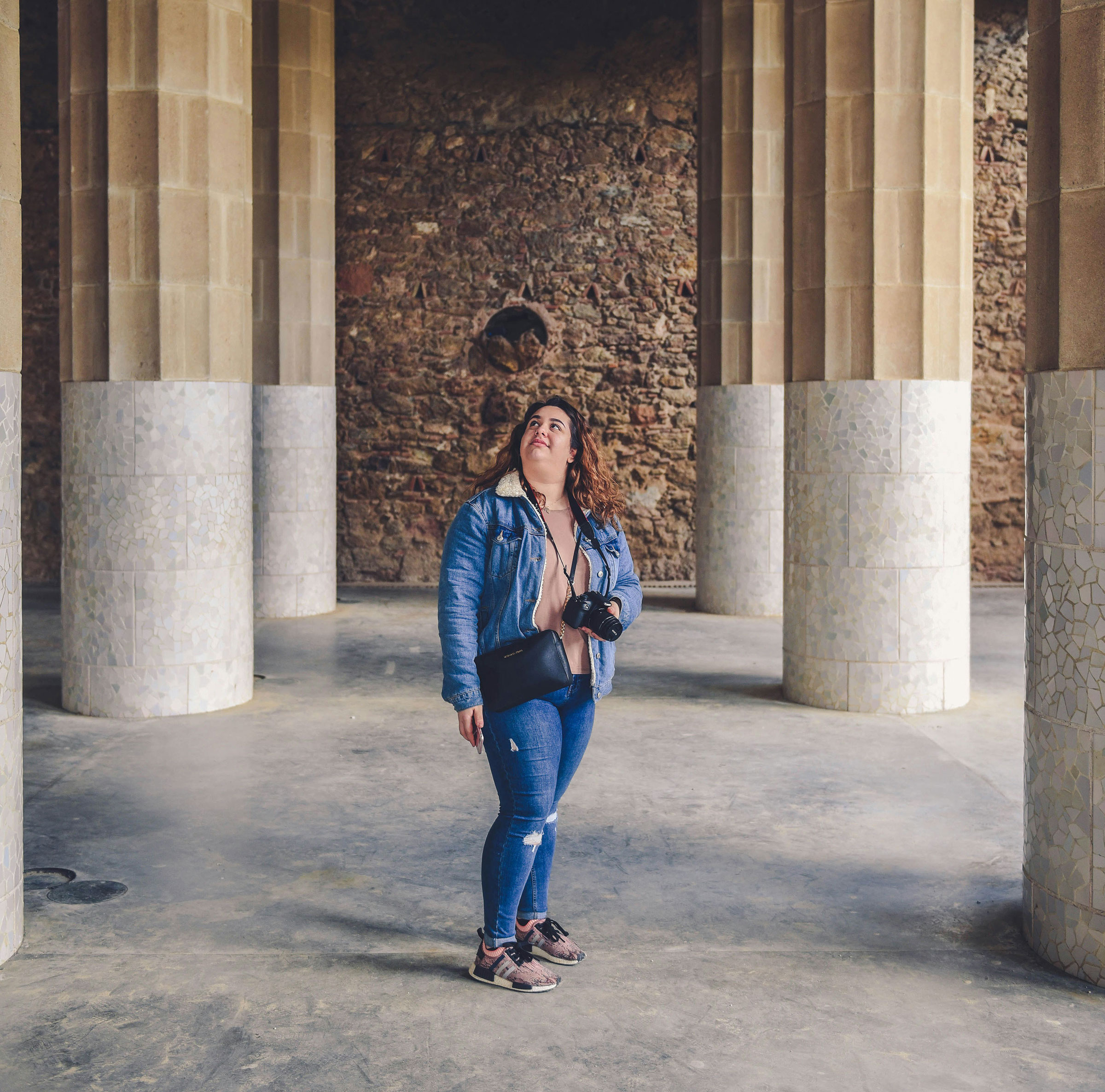
A destination hotel solo woman trip can be brilliant when the stay is genuinely part of the experience. The right hotel gives you a beautiful room, yes, but also a smoother arrival, a steadier nervous system, and that lovely little feeling that you do not need to keep escaping the property to justify the price. The wrong one gives you a nice robe, thin walls, an awkward location, and a very expensive lesson in mood lighting.
There is a reason this matters more now. Travellers are increasingly choosing trips where the hotel is part of the draw, not just the place they dump a suitcase. That can work beautifully for solo women, but only if you choose with a bit more logic than “the bathroom looks expensive.” You are not only booking aesthetics. You are booking your base, your evenings, your safety, your sleep, and a decent chunk of the whole trip.
First, decide if you want a hotel-led trip or just a nicer hotel
These are not the same thing.
A hotel-led trip means the stay itself is the plan. Maybe it has a spa you will actually use, a location that makes lingering easy, a pool worth blocking out time for, or a restaurant where eating alone feels comfortable rather than awkward. A nicer hotel on a normal trip is simply a better version of somewhere to sleep.
If you are taking a short break, a destination hotel can make a lot of sense. You have limited time, so a good property can quietly do half the work for you. If you are on a long city trip and plan to be out all day, every day, the fanciest stay in town may just be an expensive place to leave your charger.
Be honest about the version of you who is travelling. This is the same self-check logic Maggie uses in Women-Only Group Travel in 2026: pick for your real energy, not your aspirational alter ego.

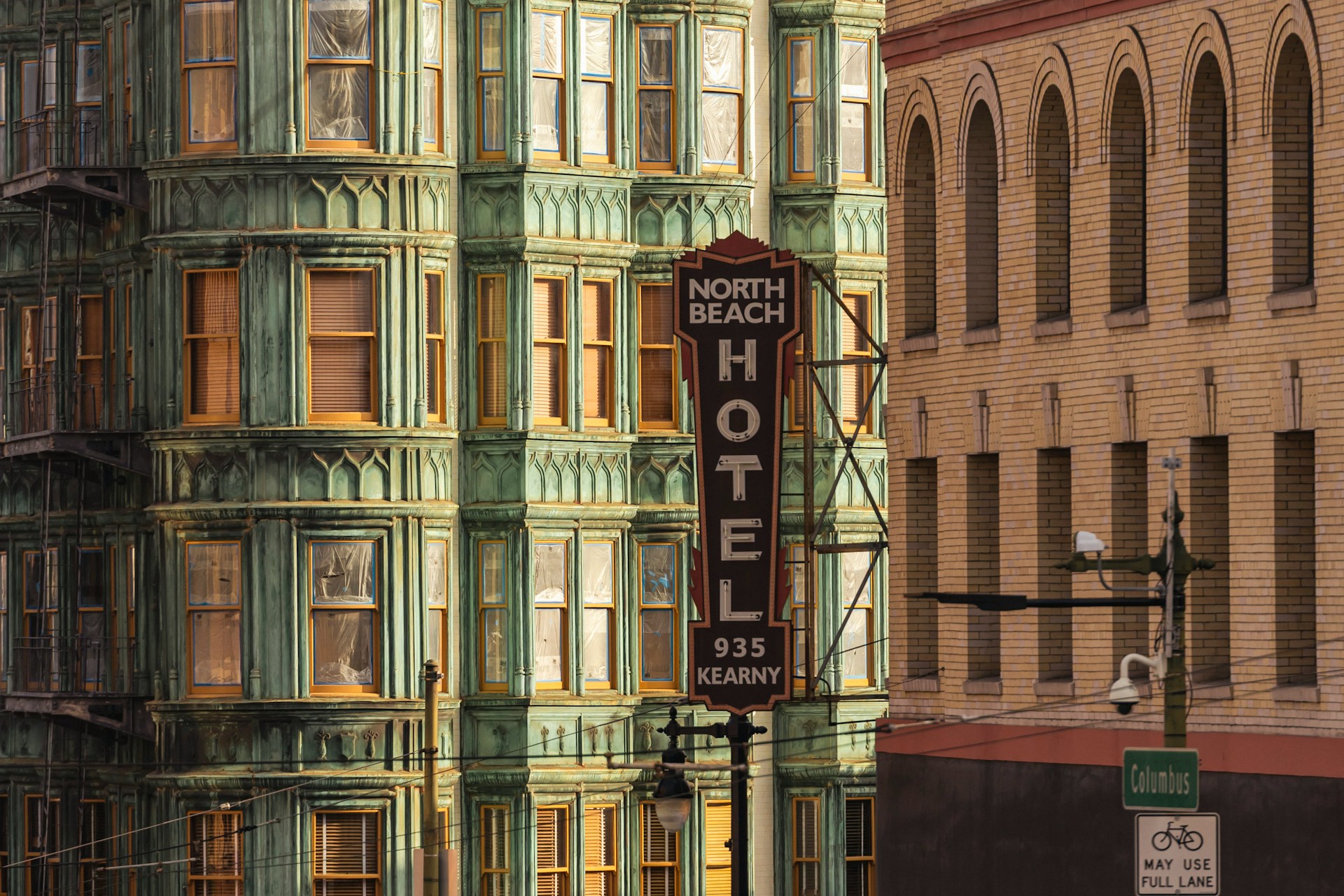
Location still matters, even when the hotel is the attraction
This is the first trap. Women see “destination hotel” and start forgiving things they absolutely would not forgive in a cheaper stay.
If you are travelling solo, I would still check the same basics first:
- Is the entrance on a normal, well-used street?
- Can you get there without a strange final ten-minute walk?
- Is there food, transport, or at least everyday life nearby?
- Would you feel comfortable getting back there after dinner?
Smartraveller’s current advice for women travelling alone is still very clear: avoid accommodation where entrances are in back streets or isolated locations, and check maps and reviews if that is not obvious. It also recommends booking ahead, using only your first initial and surname where possible, and paying attention to room security once you arrive. None of that becomes less true because the minibar is artisanal.
If you want the full map-reading version, Riley’s guide to choosing a safe hotel neighbourhood is your best first stop.

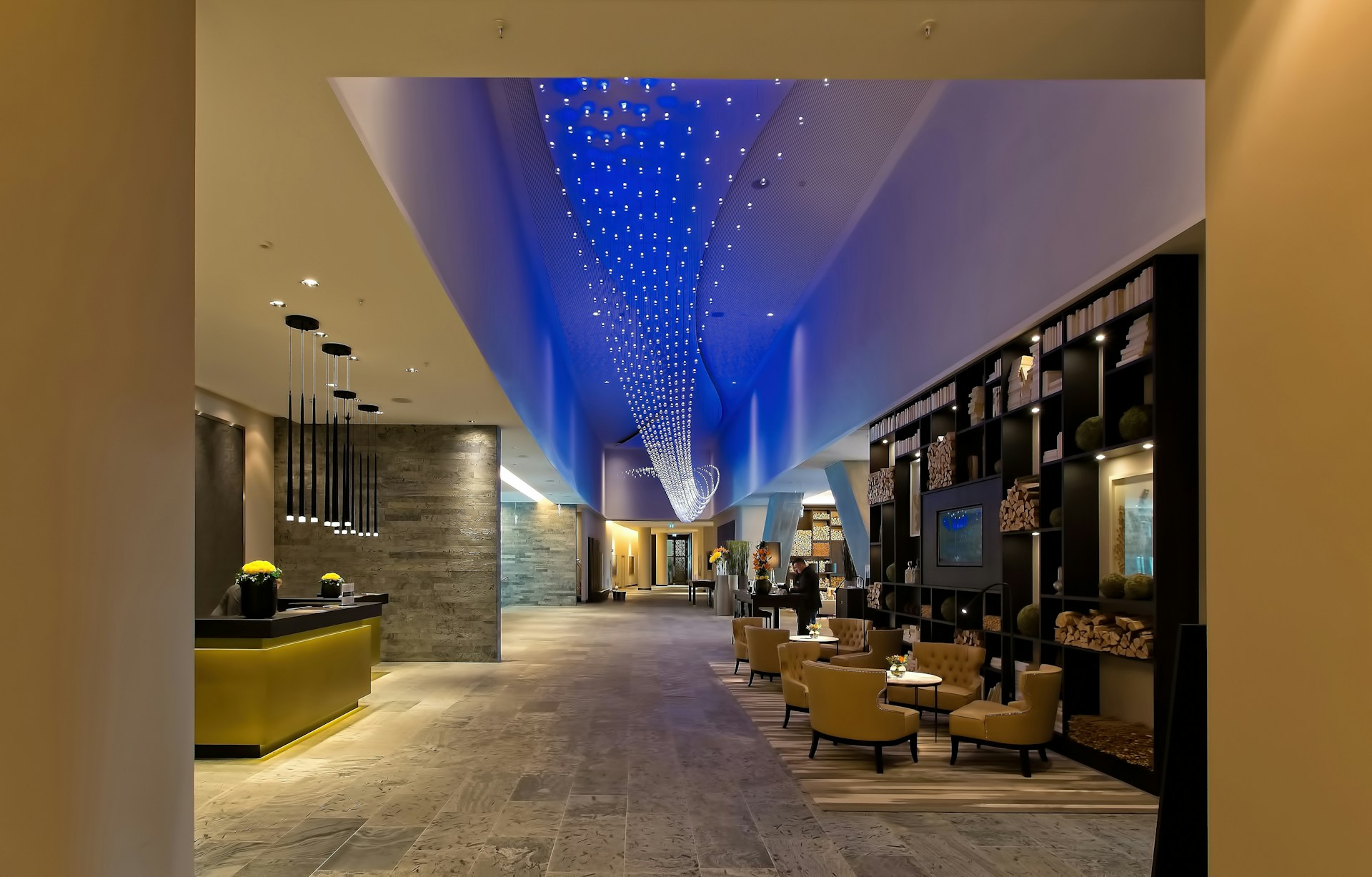
Service is not fluff when you are travelling alone
For solo women, good service is not just a luxury extra. It is infrastructure.
I look for hotels that feel staffed, competent, and easy to ask things of. Not performatively formal. Just switched on. You want a front desk that can explain the safest route back from dinner, help with a taxi without turning it into a ceremony, and deal calmly with anything odd. You also want a property that does not make you feel weird for being there alone. A decent hotel treats solo women as guests, not as anomalies in nice shoes.
Read reviews with that in mind. I am not hunting for “beautiful property” or “stunning decor.” I am looking for comments about helpful staff, smooth check-in, late arrivals handled well, clear communication, and whether people felt looked after without being hovered over.
If a review says the service was “cold,” “hard to find,” or “not helpful when things went wrong,” I pay attention. On a solo trip, there is no backup traveller doing the admin while you pretend to be relaxed.

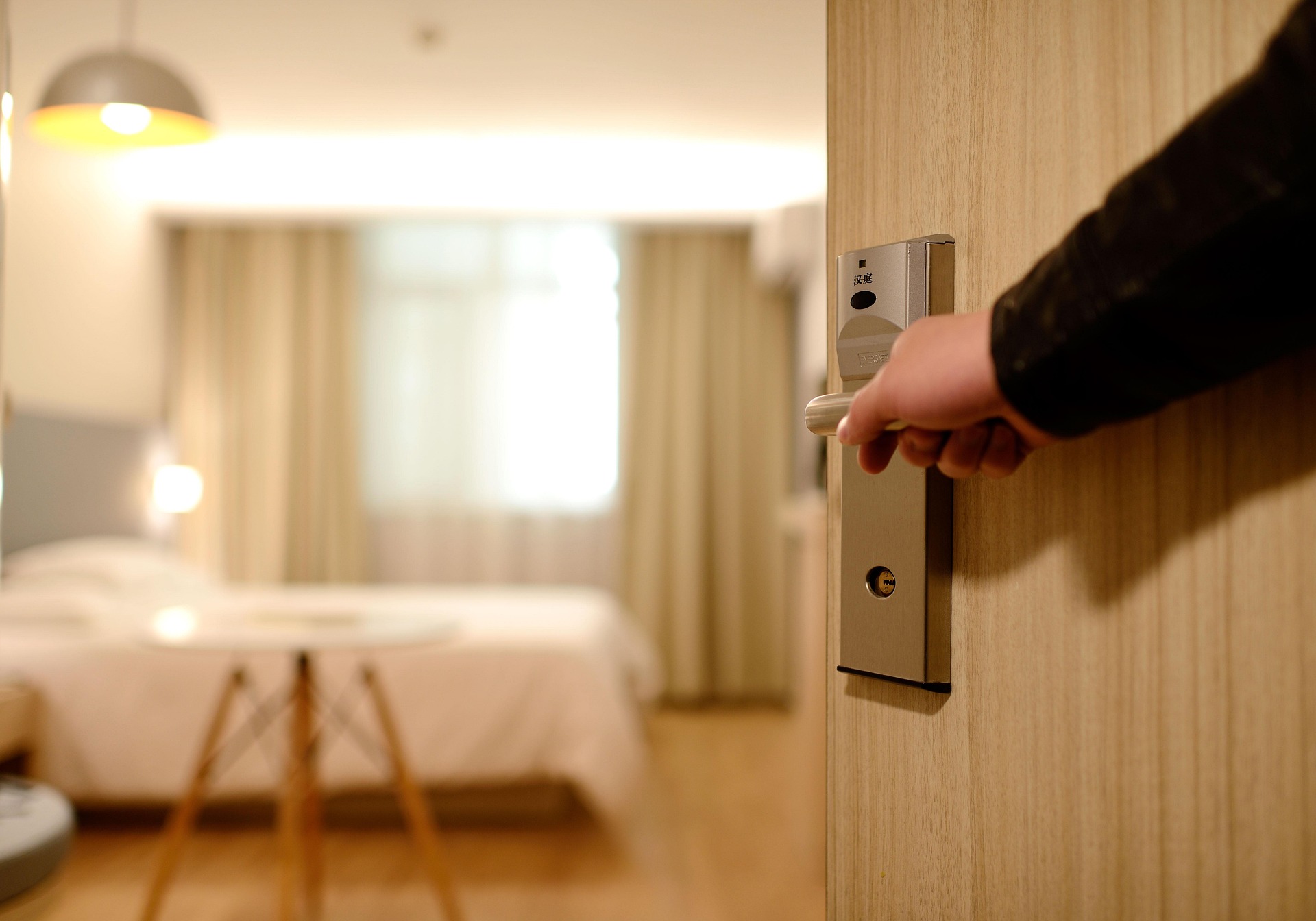
Check the room like a practical woman, not a hotel brochure
Travel.State.gov’s current lodging-safety guidance is gloriously unromantic and therefore useful. It recommends choosing accommodation near transport and important services, then checking room locks, curtains, phones, alarms, and emergency exits after check-in. That may not sound dreamy, but it is exactly the kind of two-minute routine that makes a stay feel steady.
My own room checklist is very simple:
- Door locks properly and feels solid
- Windows and any balcony door lock securely
- Phone works
- Curtains close properly
- Room does not open straight onto a noisy or exposed area
- I know where the nearest exit is
If anything feels off, I fix it early. I do not talk myself out of my own standards because the headboard is upholstered.
And yes, if sleep matters, bring your own backup plan. Hushpitality exists for a reason. A hotel can be beautiful and still sound like a suitcase race after midnight.
What actually makes a destination hotel worth it
A destination hotel earns its price when it improves the shape of your trip.
That might mean:
- a spa or bathhouse you will genuinely use
- a terrace, lounge, or courtyard where being alone feels pleasant
- a restaurant or bar where solo dining is easy
- strong on-site breakfast, so mornings begin well
- enough comfort that one slow afternoon in the hotel feels like part of the holiday, not a waste of money
This is the key question: if bad weather rolled in, would I still be glad I booked this place?
If the answer is yes, good. If the answer is “I suppose the tiles are nice,” perhaps not.
Read reviews for solo clues, not couple clues
A lot of hotel reviews are written by people on romantic breaks, family weekends, or work trips. Useful, but not always transferable.
For solo travel, I look for clues like:
- easy to settle into
- comfortable eating alone
- felt safe returning at night
- good base without needing taxis constantly
- quiet room requests were honoured
- staff were helpful without being intrusive
There is also a hidden red-flag category I watch for: hotels that are visually beautiful but strangely inconvenient. Too remote. Too dependent on car transfers. Too much “exclusive seclusion” when what you really need is one café, one pharmacy, and a normal route back after dinner.
This is why I still like pairing pretty stays with practical packing. The 5-4-3-2-1 packing method stops the whole thing tipping into “I brought four dresses and no common sense.”
My three best destination-hotel scenarios for solo women
1) The one-night reset
This is for when you need a break fast. One beautiful room, one treatment or long bath, one good dinner, one slow breakfast. Best when the hotel is easy to reach and you do not need to “maximise” the city around it.
2) The city base with strong downtime
This is my favourite. A hotel in a good neighbourhood with enough style and comfort that coming back early feels like a treat, not a compromise. Great for women who want museums, shops, or walks by day, then a calm cocoon at night.
3) The soft-landing first stop
Perfect after a long-haul flight or before a busier itinerary. The hotel gives you one organised, beautiful, low-friction night to recover, reset your body clock, and remember where your face is.
When not to splurge
I would skip the destination-hotel spend if:
- you barely plan to be in the room
- the property is a headache to reach
- the neighbourhood does not work after dark
- reviews suggest style is doing a lot of heavy lifting over service
- you are paying mostly for the name and not the experience
Also, if you are new to solo travel and feeling wobbly, a famous hotel in an awkward location is not a confidence-builder. A simpler, well-run stay in a good area will usually serve you better. For that kind of nerve support, keep Women Travelling Solo: An International Women’s Day Love Letter nearby. Sometimes courage arrives wearing a robe. Sometimes it just books the sensible hotel.
A destination hotel should make solo travel feel easier, not more performative.
Choose the stay that improves the bones of the trip: the arrival, the sleep, the solo dinner, the morning coffee, the route home, the feeling of being looked after without being managed. That is what makes a hotel worth remembering.
The robe is a bonus. The real luxury is ease.
Further Reading: