
A safe hotel neighbourhood matters more than a rainfall shower, a rooftop bar, or the fact the room comes with a tiny free biscuit trying to win your trust. If you are travelling solo, the area around your hotel shapes almost everything: how you arrive, whether you feel comfortable walking back after dinner, how much you rely on taxis, and whether you spend the whole trip feeling capable or slightly on edge. The room matters. The pin on the map matters more.
I say this with affection and experience: a lot of us still book hotels like hopeful magpies. Nice photos. Good price. Maybe a headboard with “character.” Then we realise the place is a 14-minute uphill drag from the station, down a dark side street, beside a club, with exactly one convenience store and a general vibe of “absolutely not after 9pm.” So here is the calmer way to do it.
Start with the map, not the mattress
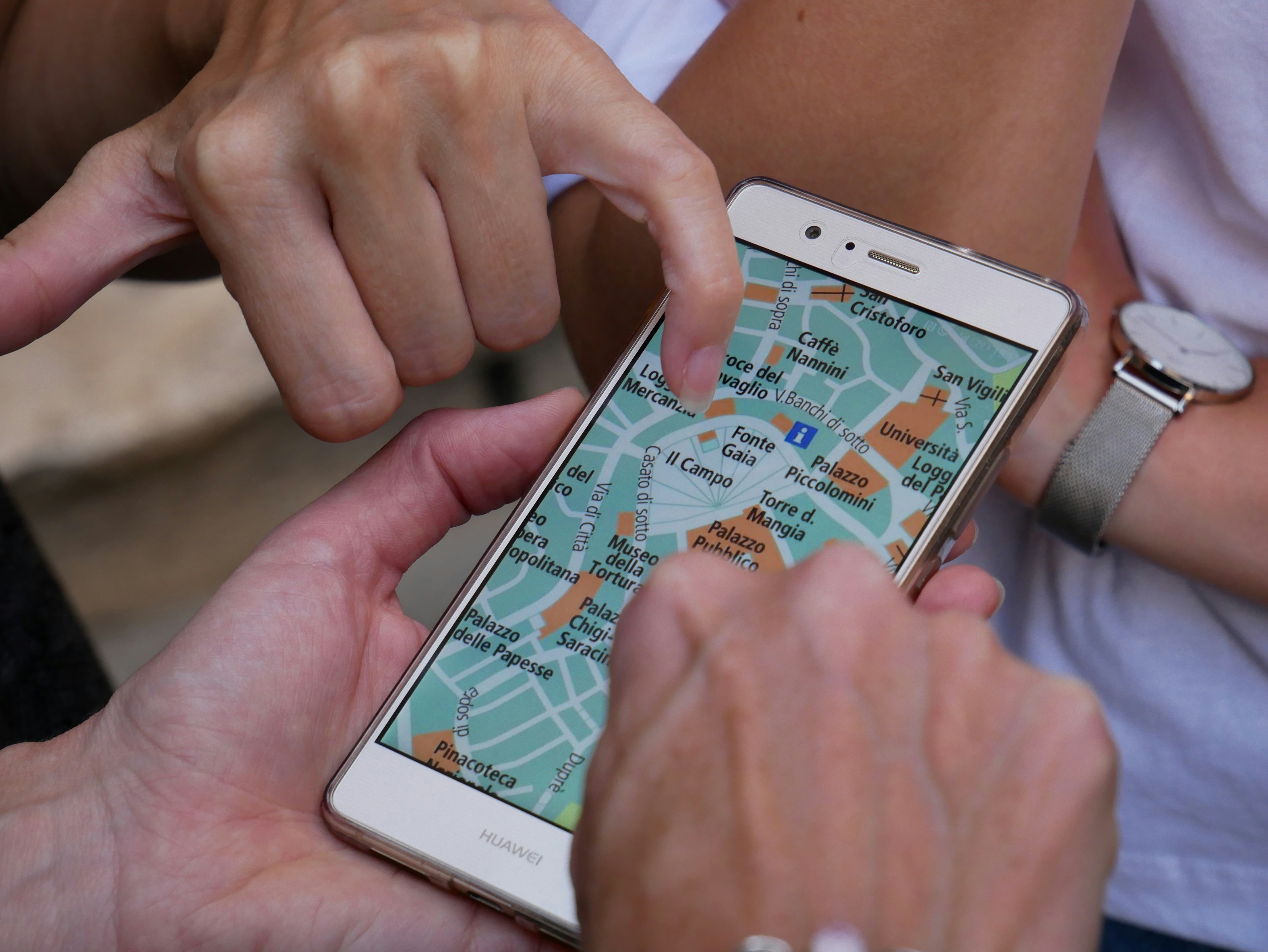
Before you read a single room review, zoom out. I want to know what surrounds the hotel, not just what sits inside it.
Look for everyday life: cafés, pharmacies, convenience stores, restaurants, other hotels, a train or metro stop, and streets that still look normal after business hours. You are not trying to find the trendiest postcode. You are trying to find a base that supports ordinary movement without drama.
If you are travelling alone, one of the most useful tests is this: would I feel fine returning here at 8:30pm, slightly tired, holding my phone at 14% battery? If the honest answer is no, listen to that.
Think about your arrival like a real person, not a fantasy version of yourself
Your hotel can be “well located” on paper and still be irritating in practice.
If you land late, a safe stay usually means one of three things: an easy official taxi ride, a clean train-to-hotel route with a short walk, or a pre-booked transfer that does not require improvisation while jet-lagged. What you do not want is a neighbourhood that only feels manageable if every connection runs on time and you arrive with the glow of a lifestyle advert.
This is where solo planning and safety overlap. If the last stretch to the hotel looks isolated, industrial, badly lit, or dependent on one awkward bus, I keep moving. Smartraveller’s current guidance for women travelling alone specifically advises avoiding accommodation with entrances in back streets or isolated locations and recommends checking reviews if the map is unclear. That is a useful baseline, not paranoia.

Read reviews for location clues, not compliments
“Great location” tells me almost nothing. Great for what? Nightlife? Conference delegates? Men in expensive loafers who do not care about a 12-minute walk through a dead office district?
I scan reviews for phrases like:
- dark at night
- felt sketchy
- far from metro with luggage
- not much around
- quiet, but too quiet
- taxis hard to find
- no food options late
- loud bar strip
I also look for what people mention accidentally. “Bring walking shoes” can mean “why is this so far.” “Fine if you Uber” can mean “do not plan to walk.” “Up-and-coming area” can mean many things, some of them charming, some of them a very expensive learning experience.

What a good neighbourhood usually looks like
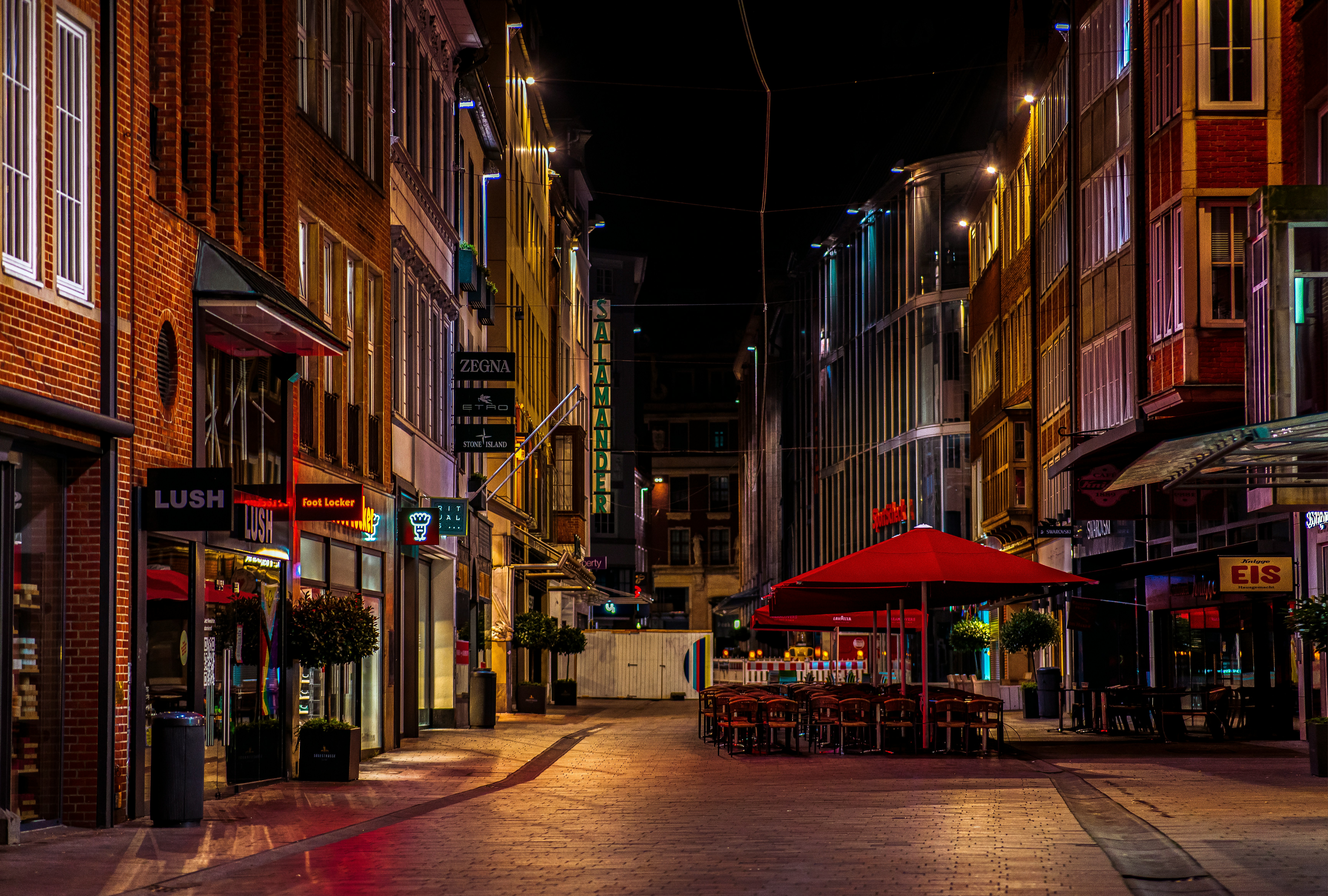
For solo women, a good hotel area is often boring in the best possible way.
- There is food nearby that does not require a mission.
- There is a straightforward route back from transit.
- There are other people around, but not a 2am crowd spilling out of bars.
- You can buy water, snacks, or cold medicine without crossing six hostile intersections.
- The street has enough life to feel normal, but not so much that you will never sleep.
This is why I like “central but one street back” or “residential next to a busy precinct.” Those areas often give you walkability without being glued to the noisiest patch of the city. If sleep matters a lot, pair your location check with our Hushpitality hotel noise guide. Nothing says character-building quite like paying for a room above a karaoke bar and then pretending it is all part of the journey.
Red flags that make me close the tab
- A back-lane entrance with little foot traffic.
- Multiple reviews mentioning they would not walk there alone at night.
- A station that looks close on the map but requires underpasses, overpasses, or empty roads to reach.
- Ground-floor rooms opening onto streets, pools, or side alleys.
- A nightlife district where “convenient” really means “you will not sleep and may not love the walk home.”
- An area with very little open after dark unless you are happy to taxi everywhere.
Also, if a place is wildly cheap compared with nearby hotels, I do at least five extra minutes of homework. Sometimes it is a deal. Sometimes it is cheap for reasons that become obvious at 10:47pm with your suitcase wheel stuck in a pothole.
My 10-minute shortlist method
- Open the map and check what is within a 5 to 10 minute walk.
- Test the route from station or airport drop-off to the hotel entrance.
- Read the newest reviews and search for location words, not décor words.
- Check whether the area is lively, residential, office-heavy, nightlife-heavy, or isolated.
- Ask: how would I get back here after dinner if I were tired?
If the answer feels easy, good. If the answer turns into a story, no thank you.
Small solo check-in habits that help
Current Australian government advice for women travellers also recommends booking ahead, using your first initial and surname when possible, and paying attention to how exposed your accommodation feels. I also prefer not to announce my solo status unnecessarily, and I use every lock once I am inside. Simple beats theatrical.
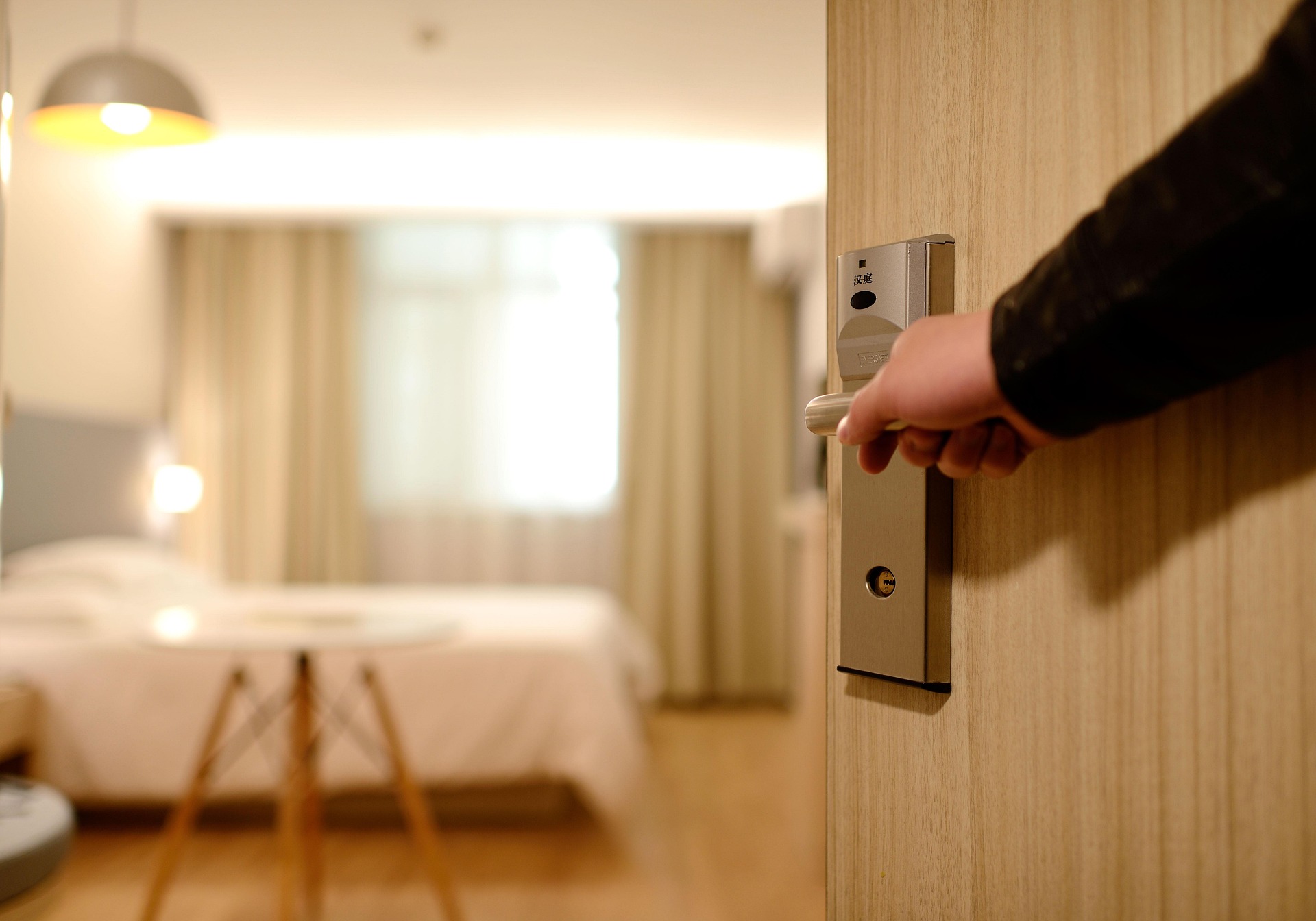
If I arrive and something feels off, I do not try to be “chill” about it. If the entrance is stranger than expected, if the room is too exposed, if the corridor feels isolated, or if a broken window is pretending to be a design choice, I go back to reception. This is not fuss. This is travel administration.
For broader solo-safety thinking, Maggie’s Solo Women’s Travel Safety After 60 is useful at any age. And if you are still deciding whether you want fully independent travel or something with more built-in support, our guide to women-only group travel is a practical next read.

When “safe” and “nice” overlap
The good news is that you usually do not have to choose between safety and pleasure. Some of the best solo stays are in areas that are easy, walkable, gently lively, and quietly pretty. The trick is to stop treating hotel choice like a beauty contest and start treating it like infrastructure.
Choose the area that lets you arrive well, sleep properly, and move around without constant low-grade friction. That is the stay you remember as easy. That is the stay that quietly makes the whole trip better.
And if you need a little solo-travel nerve before you book anything, keep this love letter to women travelling solo open in another tab. Calm planning and courage are allowed to travel together.