There’s a particular softness to cities during Ramadan. Afternoons can feel hushed and sun-warm, then the whole place lifts at dusk, when families gather, streets glow, and dinner becomes a small celebration. If your Ramadan travel prep is done well, this month can be deeply memorable, not confusing or stressful.
This guide is for women travelling during Ramadan in 2026, whether you’re Muslim and fasting, or simply visiting a country where the month shapes daily life. We’ll cover dates, crowds, what changes, and exactly what to book so you can move through it with respect and ease.

Ramadan 2026 dates (and why they vary)
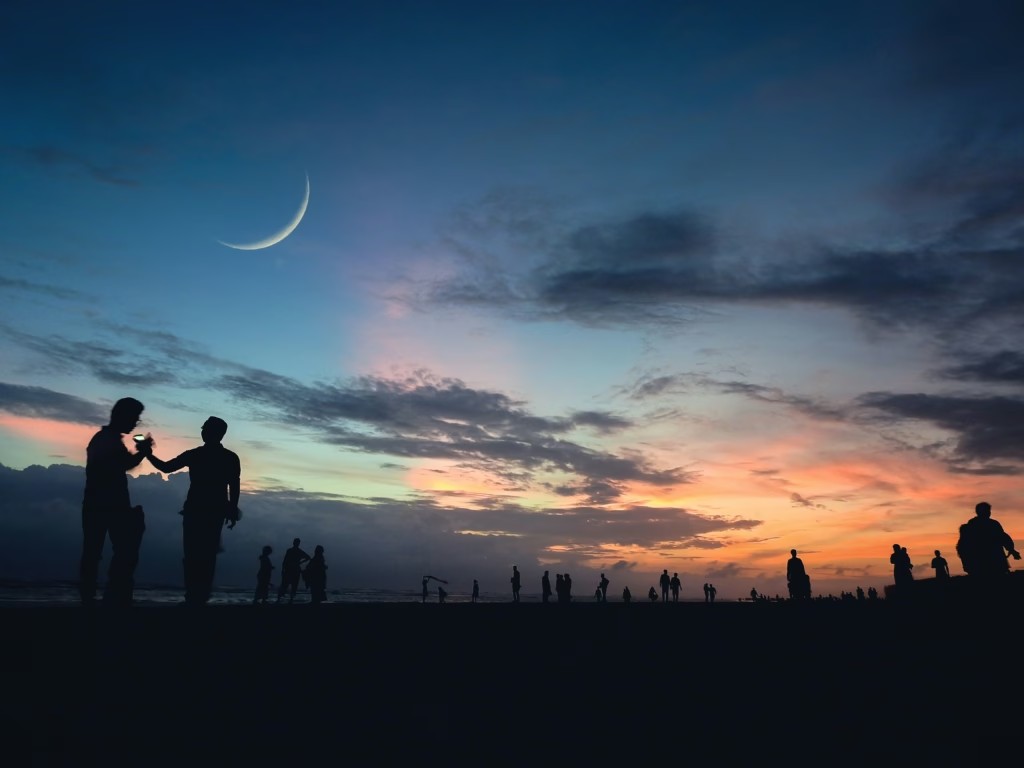
Ramadan follows the lunar calendar, so the exact start can differ by country depending on moon sighting and local confirmation. For 2026, most predictions place the start sometime in mid-February, and the month typically runs 29–30 days, ending with Eid al-Fitr in late March.
For planning purposes (flights, tours, work leave), treat the dates as a window, not a single fixed day. Smartraveller also notes that dates can vary by destination and advises seeking local guidance for the country you’re visiting. Travelling to destinations observing Ramadan (Smartraveller) and Condé Nast Traveller Middle East’s Ramadan travel guide both explain the moon-sighting reality clearly.
If you’re travelling around the same time as other major events, remember our Lunar New Year crowd-smart guide applies here too: build buffer time into transit days, and expect some sold-out accommodation in popular hubs.
What changes during Ramadan (the real-life version)
Ramadan doesn’t “shut a place down.” It changes the tempo. Think of it like a city switching to evening mode, where social life begins later, and mornings can feel calmer than usual.
1) Daytime dining is different
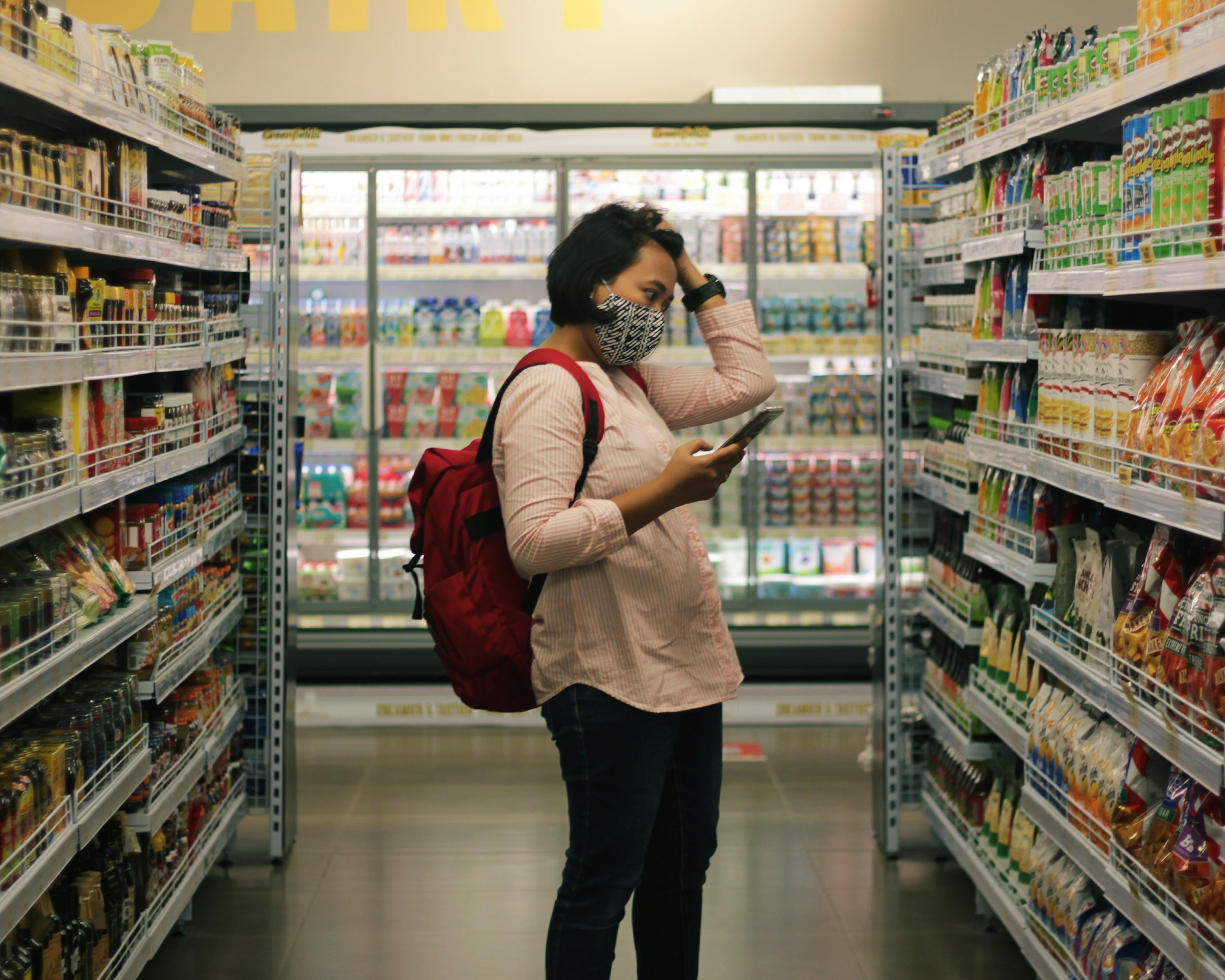
In some destinations, eating, drinking, or smoking in public during daylight hours can be restricted, and it may be illegal in certain places. Even where it’s not enforced strictly, it’s considerate to be discreet. Smartraveller flags these daytime public restrictions and encourages travellers to respect local customs. Source: Smartraveller
Practical tip: book accommodation with reliable breakfast options and room service, or choose a hotel that clearly caters for non-fasting guests during the day. (Also, if sleep is your travel superpower, keep your evenings calm with our Hushpitality hotel noise survival kit. Ramadan nights can be lively.)
2) Opening hours shift
Many businesses operate with shorter hours or fewer staff during the day, then extend later into the night. These often include reduced daytime hours for restaurants, shops, tourist facilities, and government services in many destinations.
3) Traffic pinch points happen near sunset
Just before iftar (the meal that breaks the fast), roads can get congested as people move quickly to be home or to meet family. Evening congestion is common so plan accordingly.
This is where travel logistics matter: don’t plan airport transfers, intercity drives, or “make-it-or-miss-it” tours in the hour before sunset.

4) Nights can feel festive
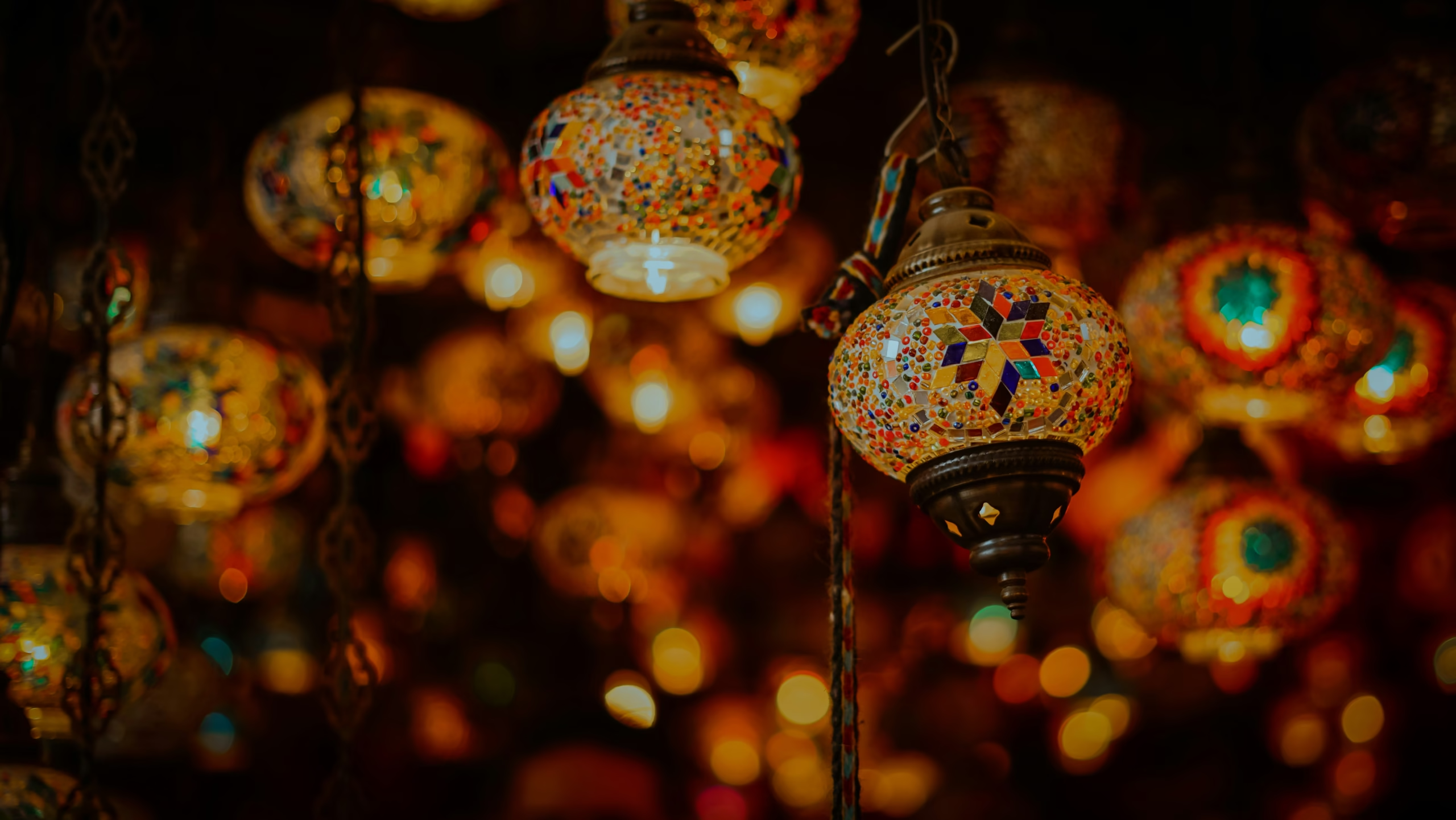
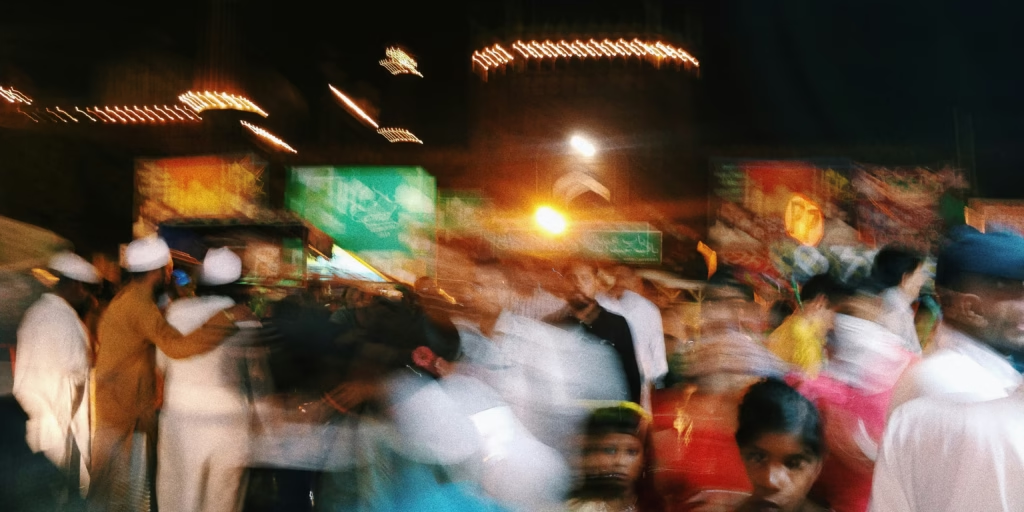
After dark, many places come alive. Markets, waterfronts, food streets, and hotel iftars can be genuinely gorgeous. If you’d like to take part respectfully, choose a well-reviewed iftar or community meal, dress modestly where expected, and follow local guidance on photography, dining, and public behaviour.
Crowds: when it’s busy, when it’s blissfully quiet
Ramadan crowds are not “all day, every day.” They gather in predictable moments:
- Just before sunset: traffic and supermarkets can spike.
- After sunset: food precincts, bazaars, and promenades can be packed (in a fun way, if you’re rested).
- Fridays and weekends: larger family outings are common in many places.
- Eid al-Fitr: the end of Ramadan can be a major travel surge, with full flights and crowded roads.
Where it’s calmer: mornings. Museums, older neighbourhoods, and gardens can feel wonderfully spacious before midday. It’s a lovely time for slow travel.
What to book (and what can wait)
If you only remember one thing: book the “friction points” early, and leave the “joy points” flexible.
Book now (these save you the most stress)
- Accommodation in walkable areas (so you’re not dependent on taxis at peak times).
- Airport transfers, especially late-night arrivals (consider reading our flight chaos & delays survival guide if your itinerary includes tight connections).
- One special iftar (hotel tent, hosted meal, or a reputable restaurant) on a night you want to feel the atmosphere.
- Any government-admin tasks you might need in-country (visas, permits, official paperwork). Daytime hours can be reduced in some places.
Book soon (nice to have)
- Guided tours that start early (sunrise to late morning is often the sweet spot).
- Train or intercity bus tickets if you’re travelling near Eid, when demand spikes.
- Quiet-room requests at your hotel (copy/paste from our Hushpitality guide if you’re a light sleeper).
Decide later (keep your trip breathable)
- Neighbourhood wanders, cafés (where open), galleries, and low-stakes shopping.
- Food plans beyond your “one special iftar.” You’ll discover what’s open once you arrive.
Packing note: if your itinerary includes late nights and early starts, simplifying your wardrobe helps. Our 5-4-3-2-1 packing method keeps outfits modest-friendly without overpacking.
Women’s etiquette + safety: small choices, big comfort
1) Dress for “quiet respect,” not perfection
You don’t need to costume yourself. Aim for breathable fabrics, covered shoulders and knees where culturally expected, and easy layers for mosques or conservative neighbourhoods. If you plan to visit religious sites, keep our post Mosque etiquette: a guide for women (and men) bookmarked:
2) Be discreet with water, snacks, and gum
Even if you’re not fasting, avoid eating and drinking publicly during daylight hours in destinations where it’s sensitive or restricted.
Daytime public eating/drinking/smoking may be illegal in some places during Ramadan.
My practical approach: carry water, but drink privately. Use hotel spaces, designated dining areas, or quiet corners away from crowds.
3) Move earlier, linger later
If you’re solo, the easiest safety upgrade is timing. Do your longer walks and public transport in daylight. Save evenings for well-lit, popular precincts, and use verified ride-hailing or official taxis when you’re tired.
4) Expect a different nightlife scene
Some entertainment venues may close or change their hours during Ramadan, depending on the destination. Instead, lean into the season: night markets, waterfront promenades, and iftar experiences can feel social and welcoming. Visit Dubai’s guide is a good example of the kinds of public events travellers can enjoy respectfully. Source: Visit Dubai
5) Give yourself “quiet recovery”
Ramadan travel can mean later nights and more sensory input after dark. If you’re prone to overstimulation, build in an early evening reset: shower, tea, a little silence, then go out again. Your trip will feel kinder.
A simple “Ramadan rhythm” day plan
If you’re unsure how to structure your days, this template works in many destinations:
- Morning: sightseeing, museums, markets, neighbourhood walks.
- Midday: slower pace. Indoor attractions, a spa, a nap, journaling, hotel pool (where culturally appropriate).
- Late afternoon: avoid big transit moves near sunset. Position yourself near your evening plans.
- Evening: iftar experience, night market wander, scenic promenade, then a calm exit plan.
And if travel is chaotic this month (delays, missed connections), keep this in your back pocket: Holiday Travel chaos & delays. It’s surprisingly relevant during any peak-season congestion.
Gentle reminder: the most respectful traveller is rarely the one who knows every rule. It’s the one who moves thoughtfully, checks local guidance, and adjusts without complaint. That’s the kind of confidence that reads beautifully anywhere.