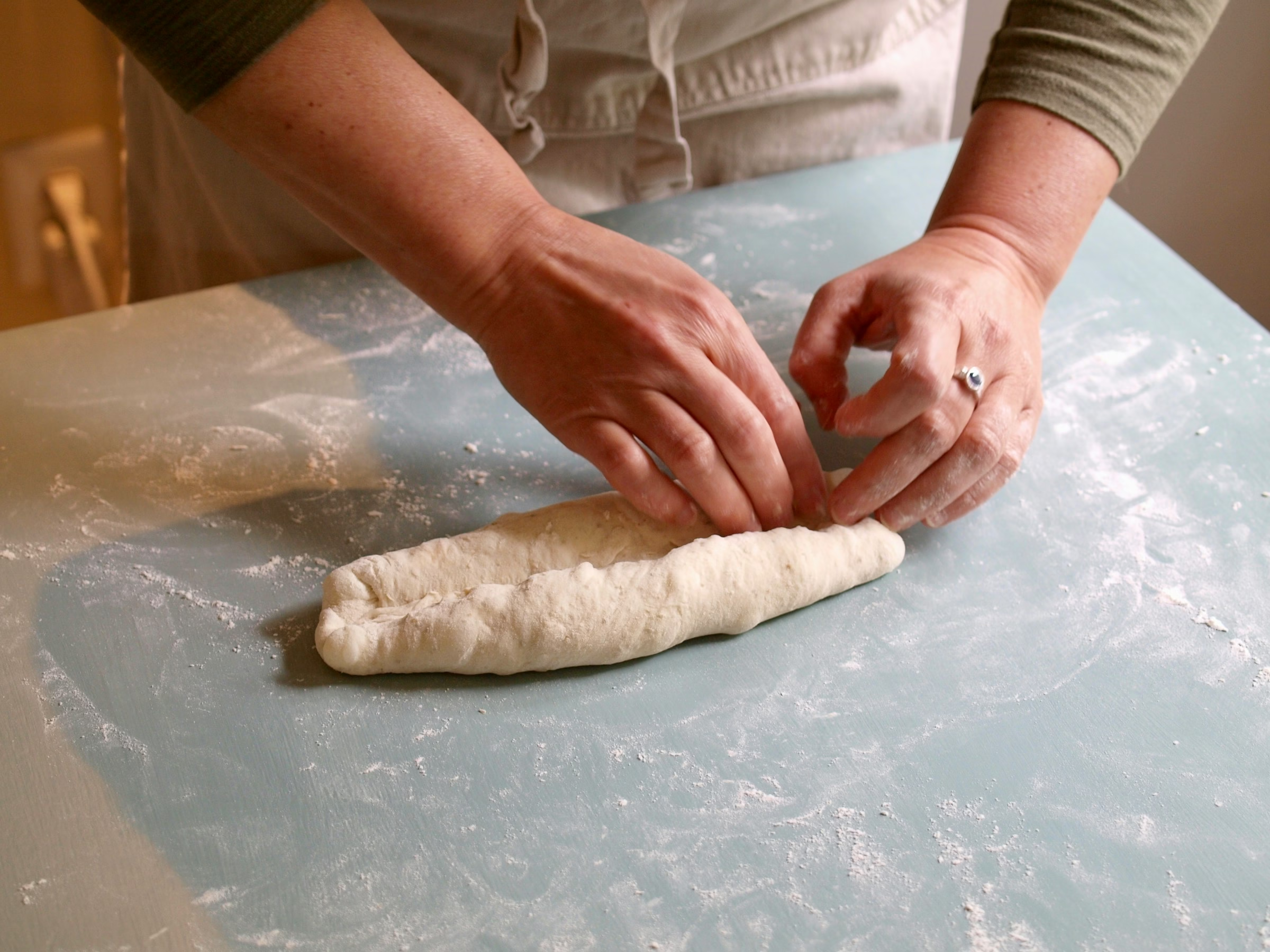
Skillcation travel is the newest flex that isn’t a sunset selfie: you come home able to do something. Make pasta without Googling. Finally nail surf pop-ups. Speak enough Spanish to order coffee like you live there. Hotels and travel brands are calling it “travel with purpose” (Hilton’s “whycation” vibe), and the point is simple—your trip feels bigger because you’ve built a memory you can repeat at home.
This guide is a buffet of women-friendly skillcations (from budget-ish to “I saved for this”), plus a low-stress way to plan one without turning your hobby into homework.

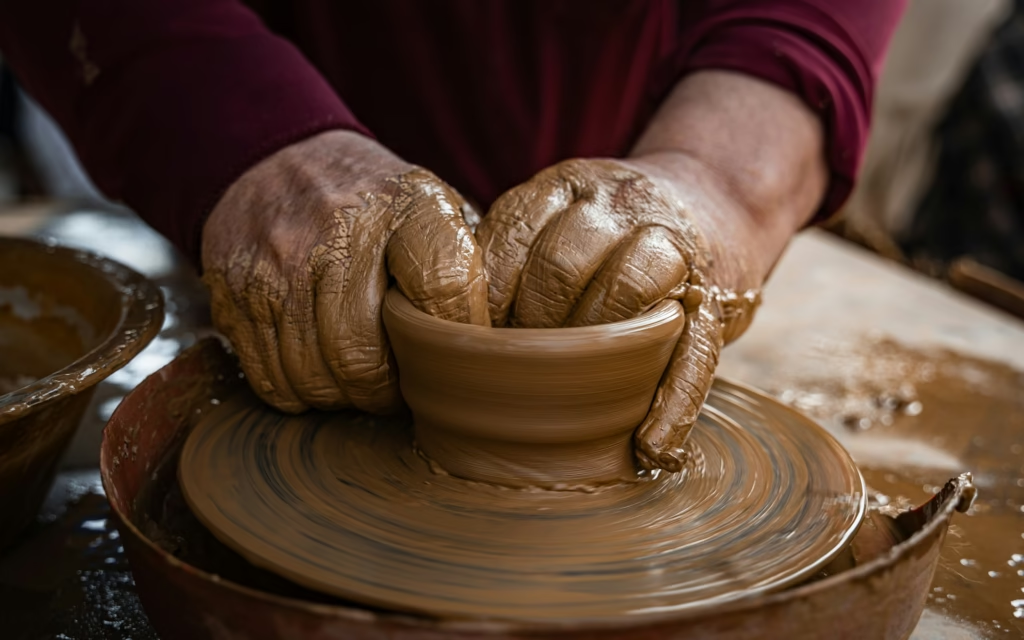
What is a skillcation (and why women love it)?
A skillcation is exactly what it sounds like: a holiday built around learning a skill—usually hands-on, usually social, and often easier to commit to when you’re already away from your normal routine.
Why it works (especially for women travellers):
- Instant community. Classes are the softest way to meet people. If you liked the vibe in People We Meet on Vacation, skillcations are basically that—on training wheels.
- Less decision fatigue. The lesson plan becomes your itinerary. You stop overplanning every second.
- Souvenirs you can actually use. The best “I went to Italy” story is fresh pasta in your own kitchen three weeks later.
How to plan a skillcation without blowing your budget
1) Pick the level of learning first
- Taster: 2–3 hours (perfect if you want a holiday that includes learning, not a holiday that becomes a course).
- Weekend: 2–3 days (best balance of progress + still feels like a break).
- Immersion: 5–10 days (this is where you level up fast—also where costs can creep).
2) Choose a destination that makes the skill feel inevitable
If you’re still deciding where to go, use your skill as the filter, then sanity-check the destination for crowds and cost. This is exactly why I keep linking friends to Where Women Want to Go Now (and smarter alternatives)—same dream, fewer headaches.
3) Book the “hard-to-replace” part first
Flights and hotels are usually flexible. A small-group workshop with limited spots? Not so much. Lock in the class (with a clear cancellation policy), then build the rest around it.
4) Make “boring” admin your glow-up move
- Insurance: If your skillcation includes activities (surfing, diving, hiking), check your travel insurance actually covers them.
- Advice + prep: Read your government travel advice before you go, not while you’re panicking in the airport queue.
5) Pack like you’re going to learn (not just pose)
Skillcations are the moment to go carry-on, because hauling a big suitcase to a pottery studio is… character-building in the bad way. If you need a system, start with the 5-4-3-2-1 packing method and then tailor it for your skill (closed-toe shoes, quick-dry pieces, a layer you can move in).
And if your flights are already giving “chaos energy,” skim Holiday Travel survival tips for the personal-item essentials that save your mood.

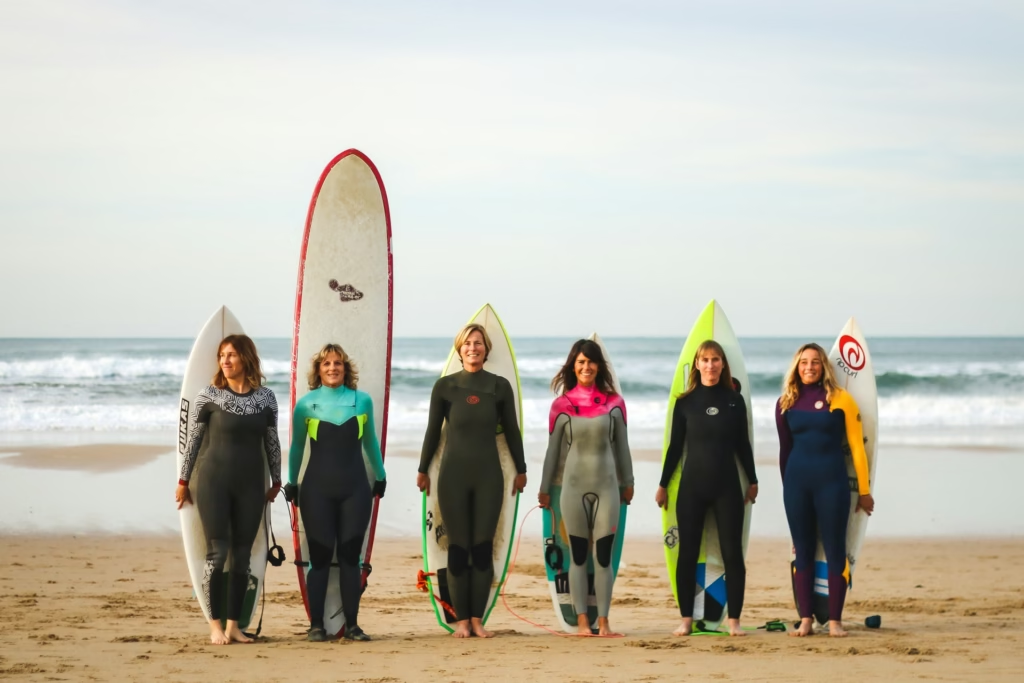
12 Skillcation Travel Ideas for 2026
1) Pasta-making in Italy (Bologna, Rome, or anywhere you can eat well)
Best for: foodies, girlfriends trips, solo travellers who want built-in chat
Do it like this: book a small pasta class early in your trip, then repeat what you learned in casual meals all week. The skill sticks because you practise immediately (and deliciously).
2) Surf week in Portugal (beginner-friendly beach towns)
Best for: confidence boosts, active wellness, “I want a reset” energy
Do it like this: choose a camp or school that offers video feedback (it speeds up progress fast). Pack a warm layer for post-surf wind and a moisturiser you actually love.
3) Pottery or ceramics in Japan (short workshops that don’t require an art degree)
Best for: creative travellers, slow-travel girls, souvenir lovers
Do it like this: pick a class where you can ship your finished piece home (less stress, more joy). Bonus points for a studio that explains the local craft tradition respectfully and clearly.
4) Spanish immersion in Mexico City (language + culture + incredible food)
Best for: solo travellers, digital nomads, anyone who wants confidence ordering and navigating
Do it like this: do morning classes, then reward yourself with afternoon exploring. If you’re building a first-timer itinerary, pair it with this Mexico City guide.
5) Salsa or bachata in Colombia (dance socials = instant community)
Best for: social butterflies, “I want to make friends but not in a hostel bunk-bed way”
Do it like this: start with private lessons to learn basics without pressure, then do group classes for fun. Choose venues with clear transport options at night.
6) Thai cooking in Thailand (market tour + class)
Best for: adventurous eaters, travellers who want a skill that lives on at home
Do it like this: book a class that includes a market shop so you learn ingredients, not just steps. If Thailand (or nearby Cambodia) is on your list, browse this Thailand + Cambodia safety and planning guide before you lock in your route.
7) Yoga and slow-living skillcation in Costa Rica (wellness that isn’t punishment)
Best for: burnout recovery, nature lovers, gentle routines
Do it like this: base yourself at an eco-lodge where “wellness” includes naps and nature, not just 6am intensity. Start here: Costa Rica eco-lodges for yoga, slow travel and wellness.
8) Photography weekend (learn your phone camera properly)
Best for: travellers who want better photos without carrying a whole studio
Do it like this: choose a class that covers composition, light, and quick editing. Your travel photos improve instantly—and so does your ability to document solo trips safely and clearly (screenshots, bookings, maps).
9) Scuba certification in Southeast Asia (or anywhere with warm water + good visibility)
Best for: confidence, ocean lovers, “I want a new identity” energy
Do it like this: build in buffer days. Weather happens. Bodies get tired. Your nervous system will thank you for not stacking this on top of red-eye flights.
10) Hiking and navigation basics (Europe or Australia, shoulder season)
Best for: women who hike but want to feel calmer doing it
Do it like this: learn basic map skills + route planning + what to do if your phone dies. The glow-up is confidence, not suffering.
11) Barista and coffee cupping (Melbourne, Wellington, or any coffee-obsessed city)
Best for: weekend trips, besties trips, travellers who love a practical skill
Do it like this: pair a workshop with a café crawl. You’ll never drink a flat white the same way again (in a good way).
12) Foraging and “cook what you find” in Scandinavia
Best for: outdoorsy slow travellers, foodies who want a story
Do it like this: go with a guide who’s serious about safety and sustainability. Foraging is magical; it’s also not the time to freestyle.
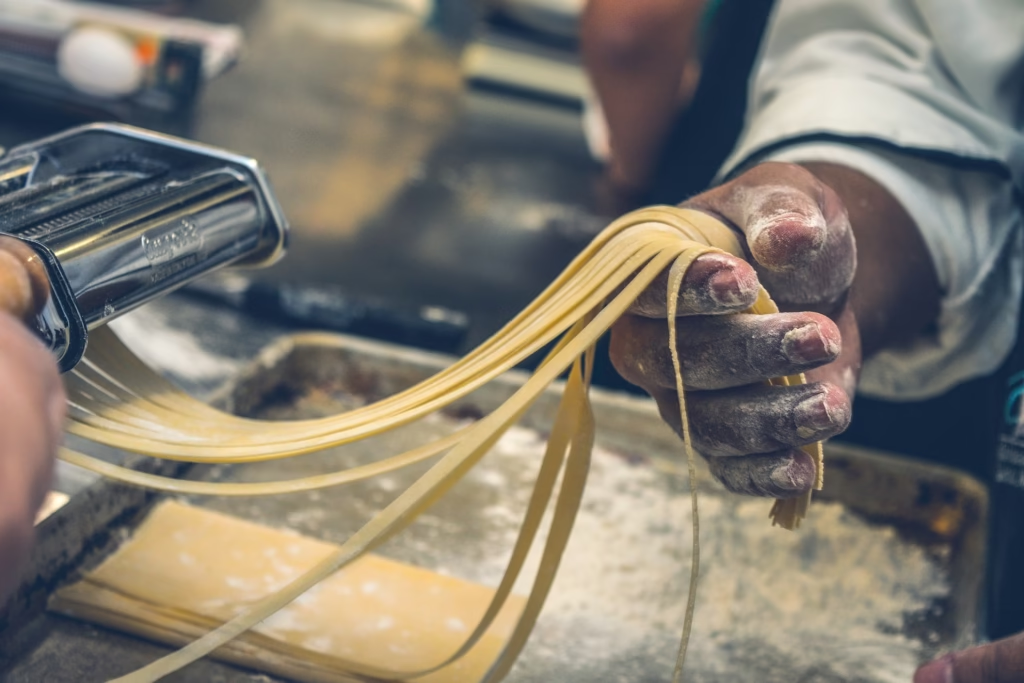
Solo-friendly comfort and safety checklist
- Stay central when your skillcation includes evening classes.
- Choose daylight logistics: arrive, check in, and do your first commute to the class while it’s still light.
- Don’t “save money” on unsafe transport. If it feels off, skip it. Your budget is not worth your nervous system.
- Carry a tiny “class kit”: water, snack, lip balm, hair tie, small notebook, pain relief (if you use it), and a spare card/cash.
FAQ
Are skillcations expensive?
They can be—but they don’t have to be. The hack is choosing a short workshop in a destination you already want to visit, instead of a packaged “luxury learning retreat.”
What’s the best first skillcation if I’m solo?
Cooking classes, language schools, and photography workshops are usually the most solo-friendly: social, structured, and low-risk.
Do I need to be “good” at the skill first?
Nope. Choose beginner classes, read reviews, and pick places that clearly describe what you’ll learn and what’s included.
What should I book first—flights or the class?
Usually the class (if it’s small and sells out), then flights and accommodation around it.
Shout out to Smartraveller (Australia): Before you go